Free VPN for Remote Workers: The Hidden Security Risk Putting Your Business at Risk
When the remote work revolution swept across businesses worldwide, many companies scrambled to find quick, cost-effective solutions to keep their teams connected and their data protected. One of the most common decisions? Handing employees a free VPN and calling it a day. It seemed like a smart move — free tools, zero budget impact, and the reassuring feeling that your business communications are encrypted and secure. But what if that free VPN is actually the front door you've been leaving wide open for hackers?
The reality is sobering, and the data doesn't lie. What you're about to read could change how you think about remote work security forever.
The Alarming Truth About Free VPNs
Researchers conducted an extensive analysis of 281 of the most popular free VPN applications available on the Google Play Store, and what they found should alarm every business owner, IT manager, and remote worker relying on these tools. The results, widely reported by The Hacker News, reveal systemic failures at the most basic levels of cybersecurity:
- 29 apps leak user traffic outside the encrypted tunnel, including DNS requests that reveal exactly which websites users are visiting — exposing browsing habits, business tools, and sensitive communications to potential interception.
- 61 apps transmit data in plain text, meaning anyone on the same network can read everything passing through — emails, passwords, client data, internal documents, and more.
- Apps with at least one critical security flaw have been installed more than 2.4 billion times combined.
Let that number sink in. 2.4 billion installations of apps that fail the most fundamental test of what a VPN is supposed to do: protect your data.
What Is a VPN Tunnel — and Why Does It Matter?
A Virtual Private Network (VPN) works by creating an encrypted "tunnel" between a user's device and the internet. All traffic is supposed to pass through this tunnel, making it unreadable to anyone who might intercept it — whether that's a hacker on a public Wi-Fi network, an ISP monitoring activity, or a malicious actor attempting a man-in-the-middle attack.
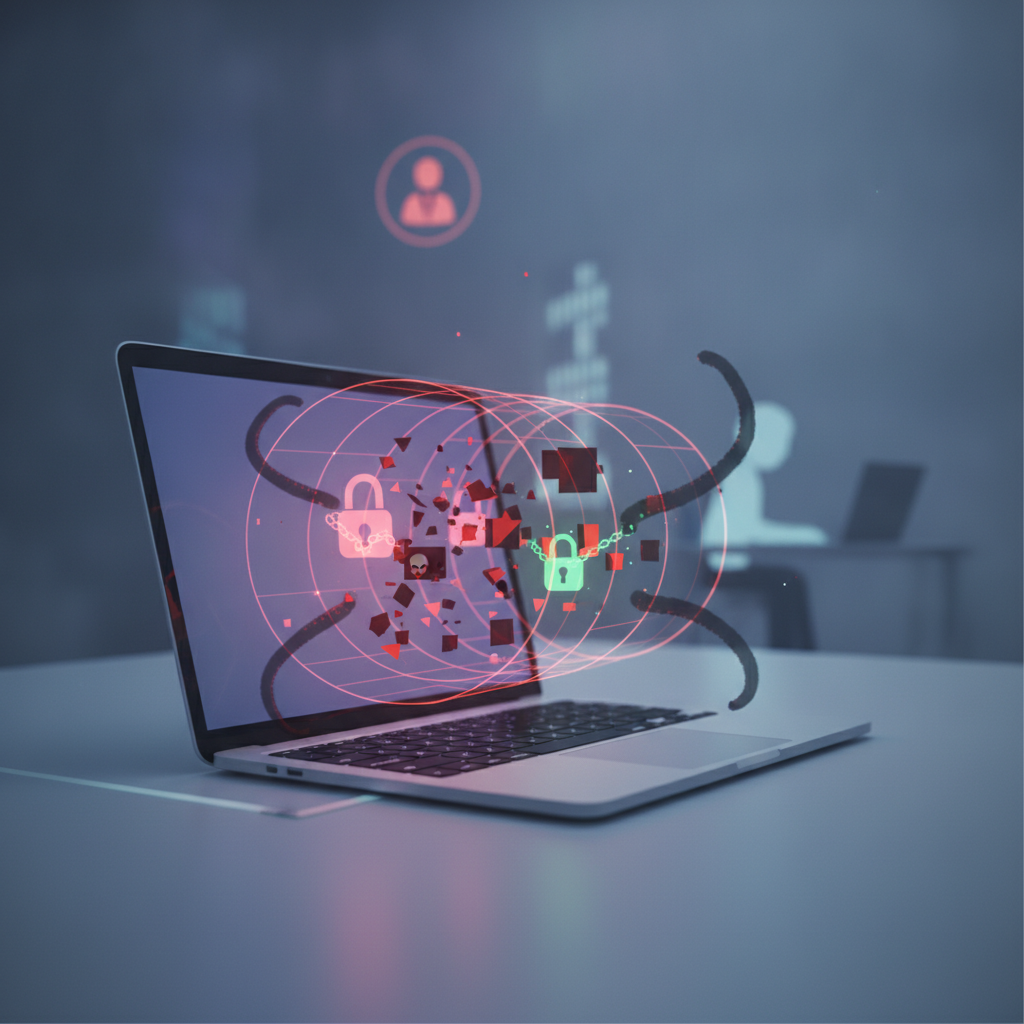
When a VPN leaks traffic outside this tunnel, the encryption becomes meaningless. Sensitive data flows freely and unprotected. This is called a DNS leak or a traffic leak, and it is one of the most dangerous vulnerabilities a business can face — especially because users have no idea it's happening. The VPN app appears to be working. The icon shows it's connected. But behind the scenes, your company's most sensitive information is traveling across the internet completely exposed.
Why Free VPNs Are Especially Dangerous for Businesses
Free VPN providers have to generate revenue somehow. If users aren't paying for the product, the product is often the user — and in a business context, that means your company's data. Here's what free VPN providers may be doing with your employees' traffic:
- Selling browsing data to third-party advertisers — including the sites your employees visit, which could reveal competitive intelligence, vendor relationships, and client activity.
- Injecting malware or adware into connections to generate ad revenue.
- Logging and storing user activity despite claiming a "no-log" policy.
- Operating servers in jurisdictions with weak privacy laws, making data seizure by foreign governments a real risk.
- Failing to update security protocols, leaving known vulnerabilities unpatched for months or years.
For a remote workforce, this creates a perfect storm. Employees connect from home networks, coffee shops, co-working spaces, and airports. Each connection point is a potential vulnerability — and a free VPN that leaks traffic or transmits data in plain text turns every single one of those connections into an open door for cybercriminals.
The Real Cost of "Free": A Business Case Study in Risk
Consider the typical remote work scenario: your employee connects to a free VPN to access your company's internal CRM system. They're reviewing client contracts, updating financial records, and sending emails containing sensitive negotiations. With a leaking VPN, every piece of that activity could be visible to a third party.
A single data breach stemming from a compromised VPN can result in:
- Regulatory fines under GDPR, HIPAA, or other data protection frameworks
- Reputational damage that drives clients away
- Legal liability for failing to protect customer data
- Business disruption and recovery costs averaging hundreds of thousands of dollars
- Loss of competitive advantage if proprietary information is exposed
The irony is devastating: the "free" solution that was supposed to save your business money could end up costing it everything.
Signs Your Business May Already Be at Risk
If your company currently relies on free VPN solutions for remote work, ask yourself the following questions:
- Did you vet the VPN provider before deploying it to employees?
- Has the VPN been tested for DNS and traffic leaks?
- Do you know where your employees' data is being routed and stored?
- Is the VPN regularly updated with security patches?
- Do you have visibility into what traffic is actually being encrypted?
If you answered "no" or "I'm not sure" to any of these questions, your business may already be exposed to significant cybersecurity risk — right now, today, as your employees work remotely.
What a Secure Remote Work Solution Actually Looks Like
Protecting your business in a remote-first world requires more than downloading a free app. Genuine cybersecurity for remote workers involves a layered approach:
Enterprise-Grade VPN Solutions
Unlike free consumer apps, enterprise VPNs are built with business security requirements in mind. They offer verified no-log policies, audited encryption protocols, dedicated IP addresses, and centralized management dashboards that allow IT teams to monitor and control access in real time.
Zero Trust Network Access (ZTNA)
Modern security frameworks have evolved beyond traditional VPNs. Zero Trust Architecture operates on the principle of "never trust, always verify" — every user, device, and connection must authenticate before accessing any resource, regardless of whether they're inside or outside the corporate network.
Multi-Factor Authentication (MFA)
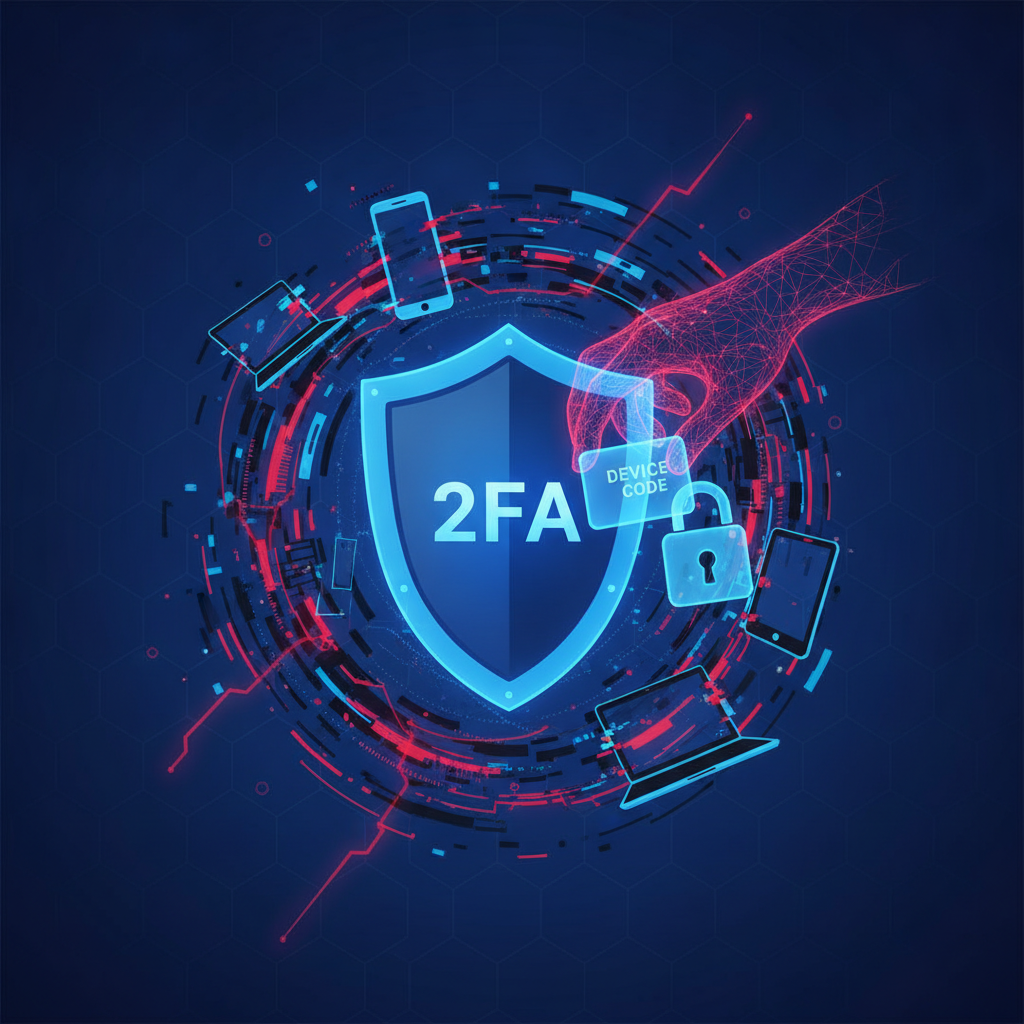
Even the best VPN can be compromised if employee credentials are stolen. MFA adds a critical second layer of verification, ensuring that a stolen password alone is not enough to gain access to your systems.
Employee Cybersecurity Training
Technology alone isn't enough. Your employees need to understand the risks of using unsecured networks, recognize phishing attempts, and follow security protocols consistently. Human error remains one of the leading causes of data breaches worldwide.
Regular Security Audits
Cybersecurity isn't a one-time setup — it's an ongoing process. Regular audits, penetration testing, and vulnerability assessments help identify weaknesses before attackers do.
How Webristle Can Help Protect Your Business
At Webristle, we understand that small and medium-sized businesses face the same cyber threats as enterprise corporations — but often without the same internal resources to defend against them. That's why we offer comprehensive cybersecurity solutions designed specifically for businesses operating in today's remote and hybrid work environment.
Whether you're looking to replace a risky free VPN with a properly secured remote access solution, conduct a full cybersecurity audit, or build a robust security infrastructure from the ground up, our team of experts is ready to help.
Explore our cybersecurity services and protect your business today:
- English: https://webristle.com/cybersecurity
- Italiano: https://webristle.com/it/cybersecurity
- Español: https://webristle.com/es/cybersecurity
The Bottom Line: Free VPNs Are a False Economy
The data is clear. With 29 popular free VPN apps leaking DNS traffic, 61 transmitting data in plain text, and over 2.4 billion combined installations of apps with critical security flaws, the scale of this problem cannot be overstated. If your business is relying on free VPN tools to secure remote work, you are not protected — you are exposed.
Cybercriminals don't need sophisticated zero-day exploits when the tools your employees use every day are doing the work for them. They just need to be on the same network as your remote worker, intercept the unencrypted traffic, and harvest whatever valuable data flows past. It can happen in seconds, with no visible signs until it's too late.
The question isn't whether your business can afford to invest in proper cybersecurity. The question is whether your business can afford not to.
Don't wait for a breach to take security seriously. Contact Webristle today and let us help you build a remote work environment that's genuinely secure — not just seemingly secure. Visit our cybersecurity services page to learn more about how we protect businesses like yours from the threats that free tools can never truly defend against.
Your employees deserve tools that actually protect them. Your business deserves security that actually works.