
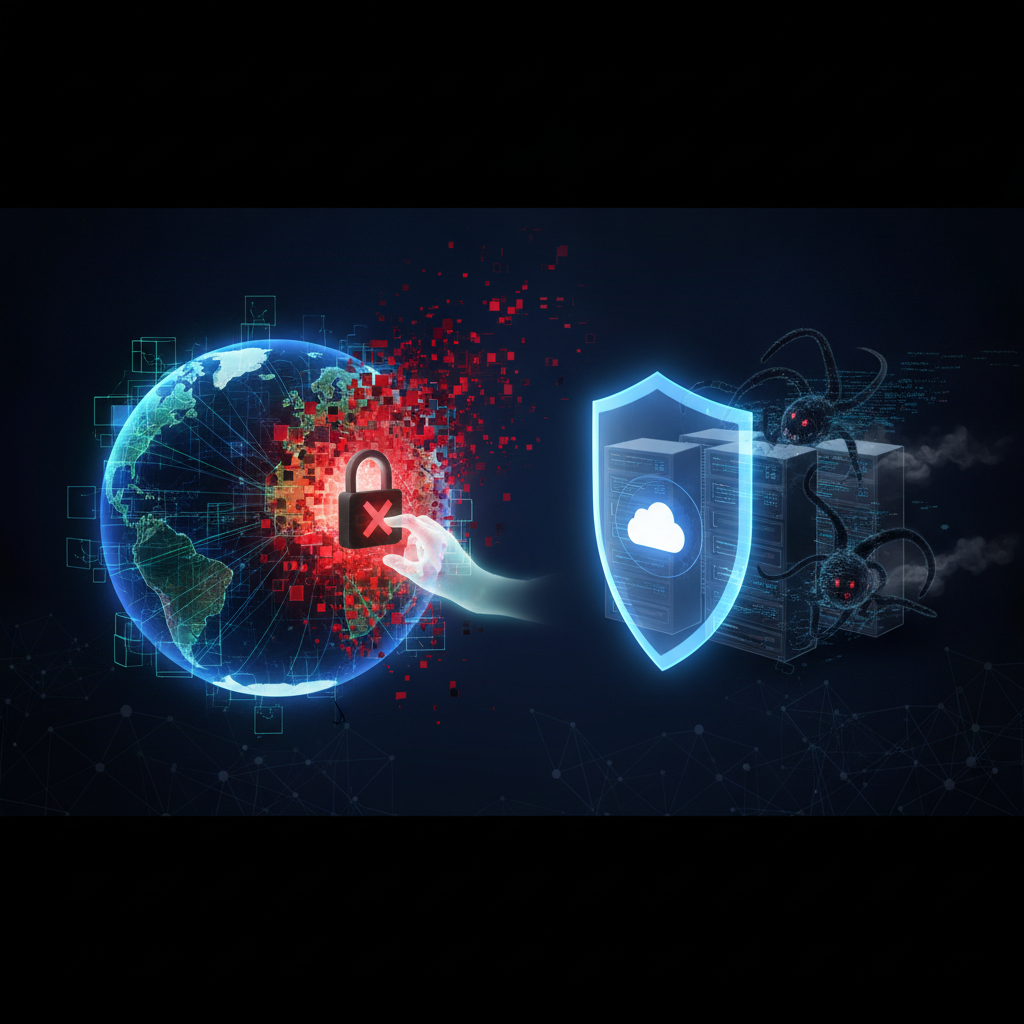
One Stolen Password Wiped a Nation's Data: Would Your Backups Survive?
July 2026, Romania's national IT infrastructure suffered a catastrophic cyberattack that erased critical government data. The incident exposed how a single compromised credential can cascade into a national disaster. Could your organization's backups withstand the same assault?
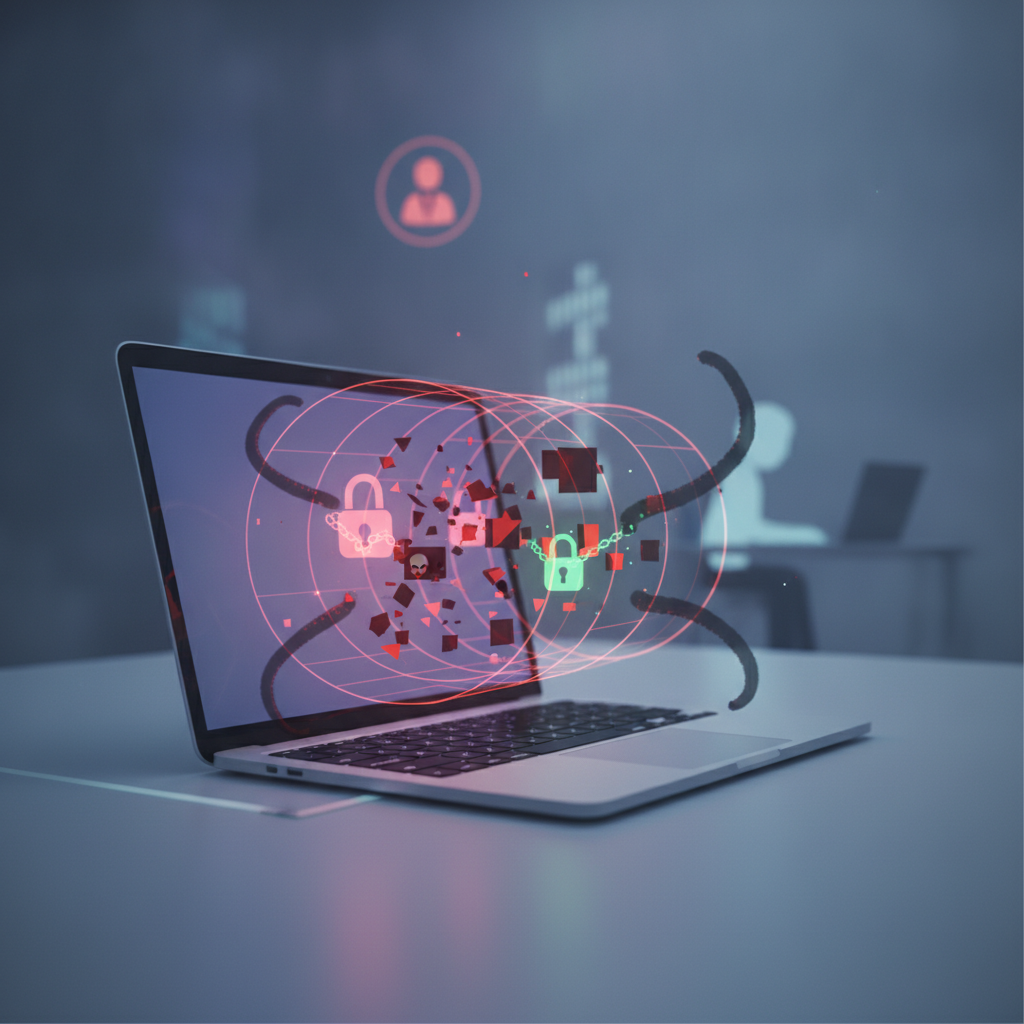
Free VPN for Remote Workers: The Hidden Security Risk Putting Your Business at Risk
Giving employees a free VPN to work remotely might seem like a smart, cost-effective move — but research shows it could be opening your company's front door to hackers. A study of 281 popular free VPNs on Google Play found critical security failures affecting billions of installs. Here's what every business owner needs to know.
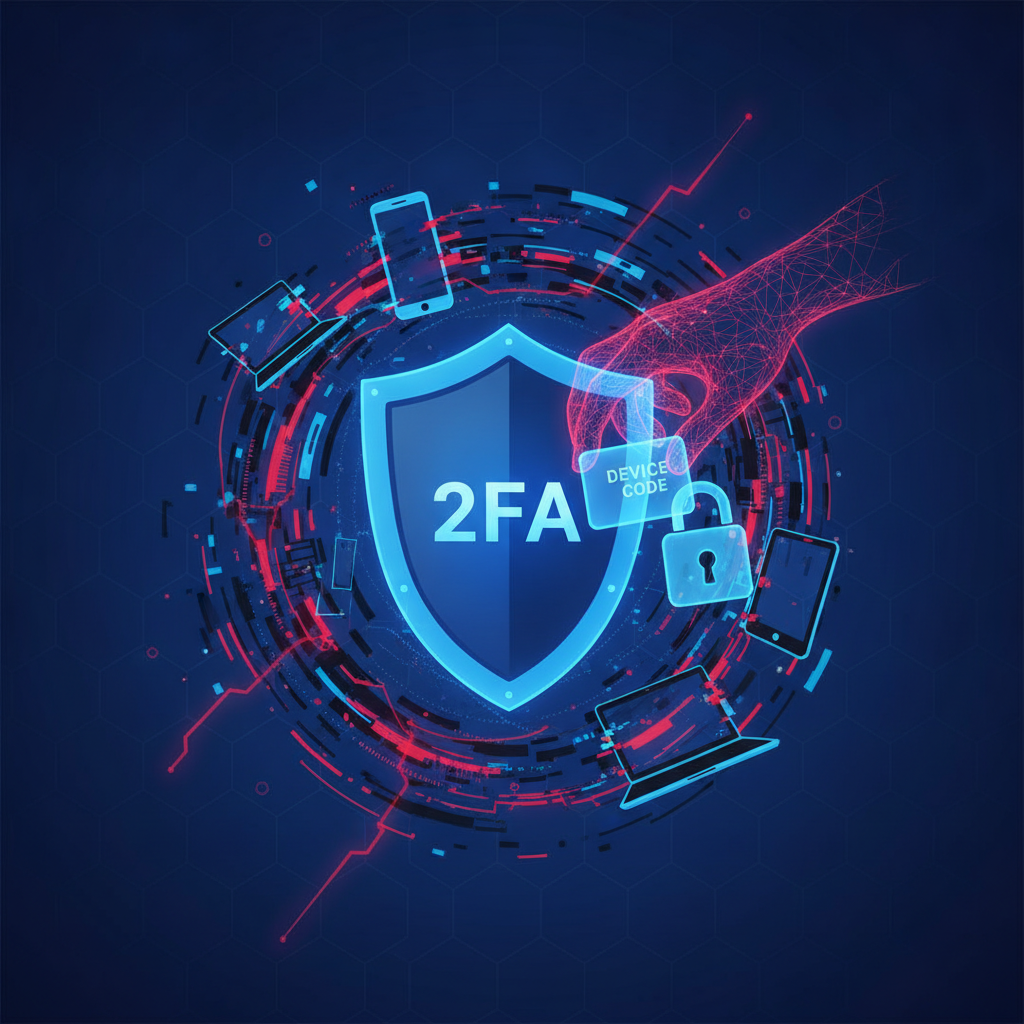
You Enabled Two-Factor Authentication. You Think You're Safe. You're Not. What Is Device Code Phishing?
Two-factor authentication is widely considered one of the best defenses against account takeover, but a sophisticated attack called Device Code Phishing can bypass it entirely. This technique tricks users into granting attackers full access to their accounts without ever stealing a password. Learn how it works and how to protect yourself.

Using ChatGPT at Work? New Legal Obligations Take Effect August 2
Starting August 2, businesses using AI tools like ChatGPT in the workplace must comply with new legal requirements under the EU AI Act. From transparency duties to employee rights, the rules are more far-reaching than many companies expect. Here's what you need to know before the deadline.
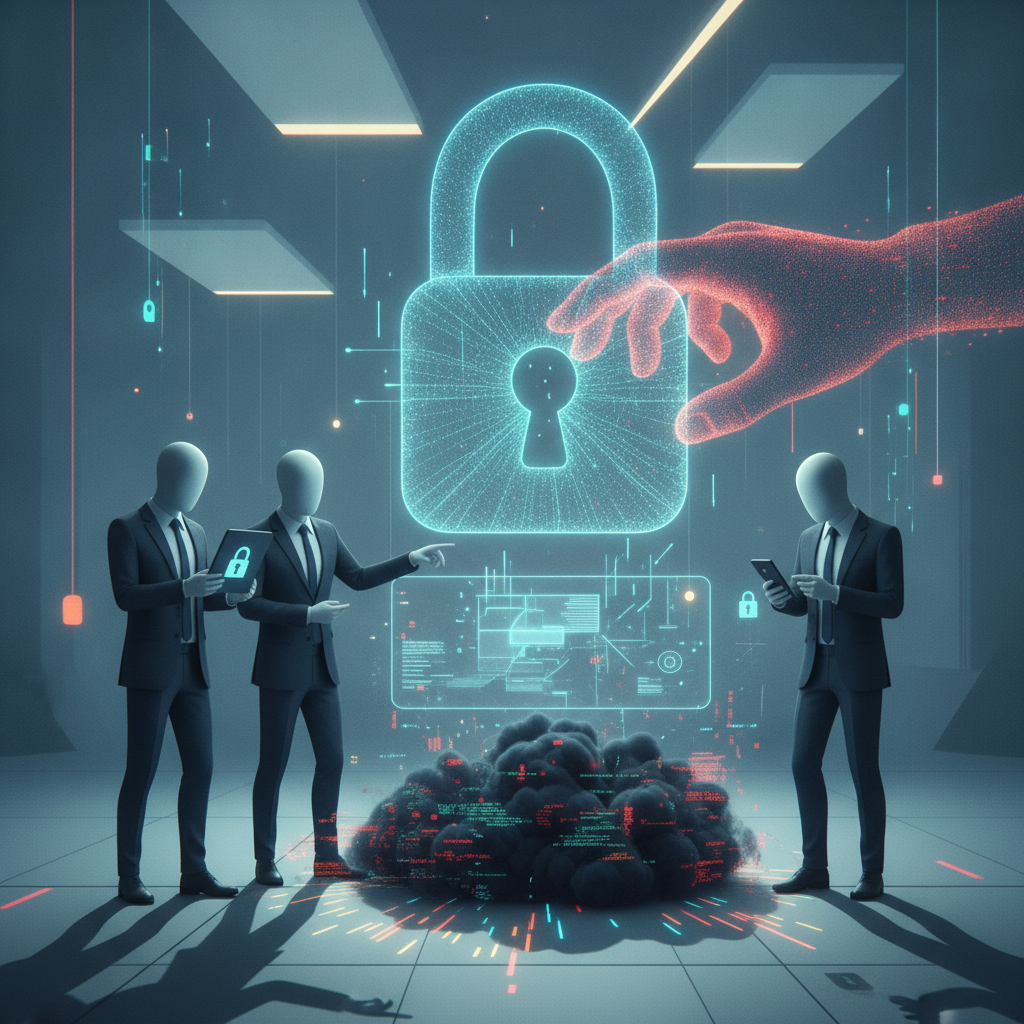
Why Ransomware Still Works in 2026: The Employee Behaviours Hackers Are Counting On
Despite advanced security tools, ransomware attacks continue to surge in 2026 — and human behaviour remains the biggest vulnerability. From clicking phishing links to reusing weak passwords, everyday employee habits give hackers the foothold they need. Discover which behaviours put your organisation at risk and what you can do to stop them.

Deepfake CEO Fraud: When Your Boss's Voice Is Fake
Cybercriminals are now cloning executive voices and faces with alarming accuracy to trick employees into transferring funds or leaking sensitive data. Deepfake CEO fraud is one of the fastest-growing cyber threats facing businesses today. Discover how these attacks work and what your organization can do to stop them.

They Didn't Hack You. They Hacked Your SaaS Vendor. The Result Is the Same.
Supply chain cyberattacks are on the rise, and your business doesn't need to be the direct target to suffer devastating consequences. When a SaaS provider you trust gets breached, your data, your clients, and your reputation are all at risk. Learn how to protect your organization before the next third-party breach becomes your crisis.
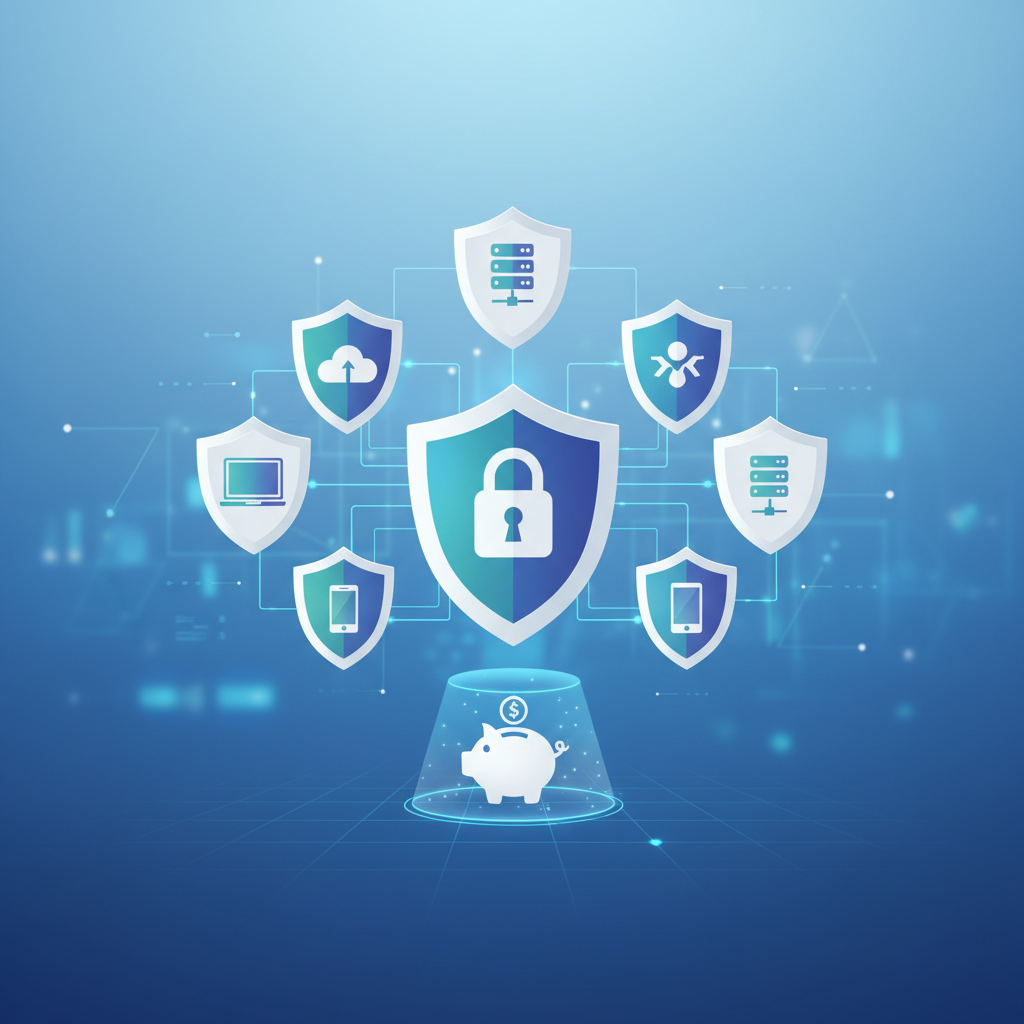
Zero Trust for SMBs: Protect Your Business Without an Enterprise Budget
Zero Trust security is no longer just for large corporations. Small and medium-sized businesses can now implement powerful, layered protection strategies using affordable tools and smart practices. Discover how to secure your company's data and networks without breaking the bank.
The 'Copy Fail' Linux Vulnerability Is Being Actively Exploited: What Your Team Must Do Right Now
A critical Linux vulnerability known as 'Copy Fail' is now being actively exploited in the wild, putting unpatched systems at serious risk. Security teams must act immediately to assess exposure, apply available patches, and harden their Linux environments. This guide breaks down exactly what the flaw is, who is at risk, and the urgent steps your team needs to take today.
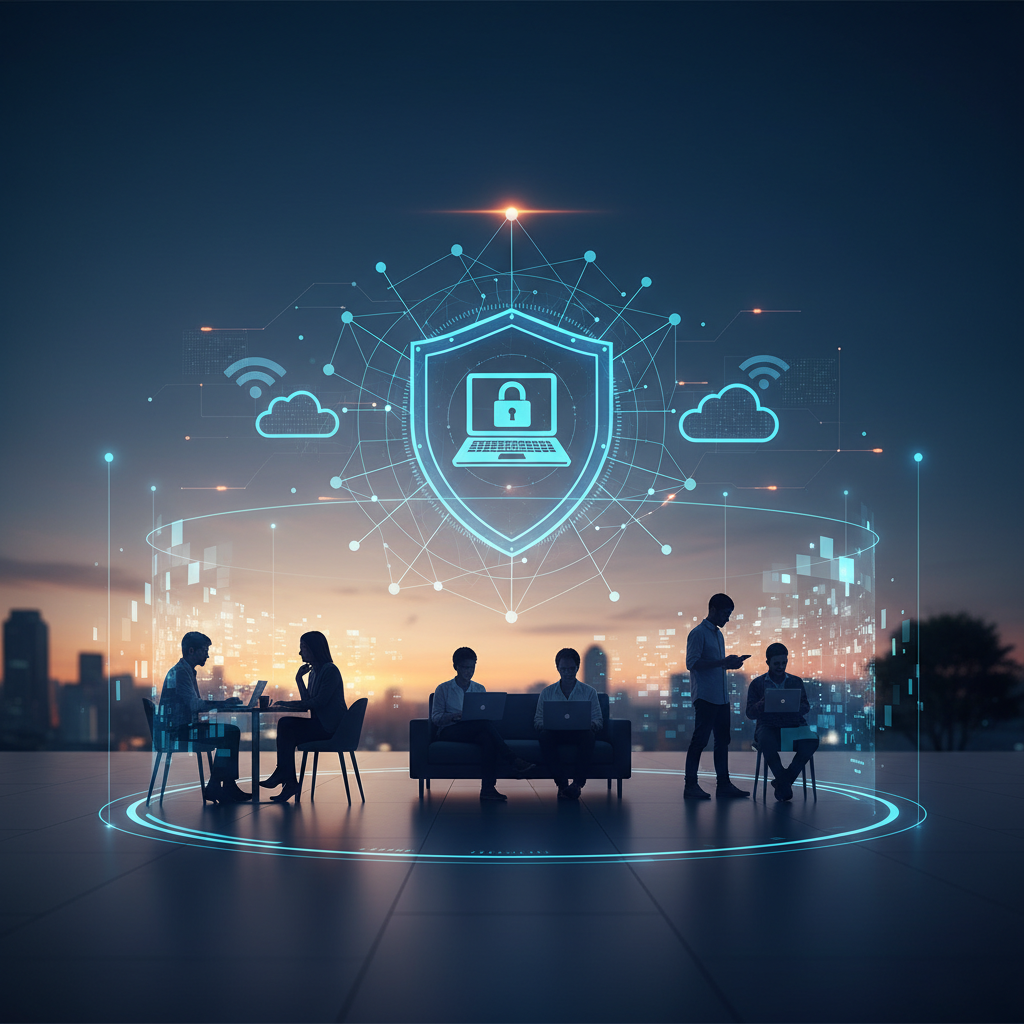
Cybersecurity and Remote Work: How to Protect Company Data Outside the Office
As remote work becomes the new norm, businesses face growing cybersecurity risks that traditional office setups never had to consider. From unsecured Wi-Fi networks to phishing attacks, the threats are real and costly. This guide covers essential strategies to keep your company data safe no matter where your team works.
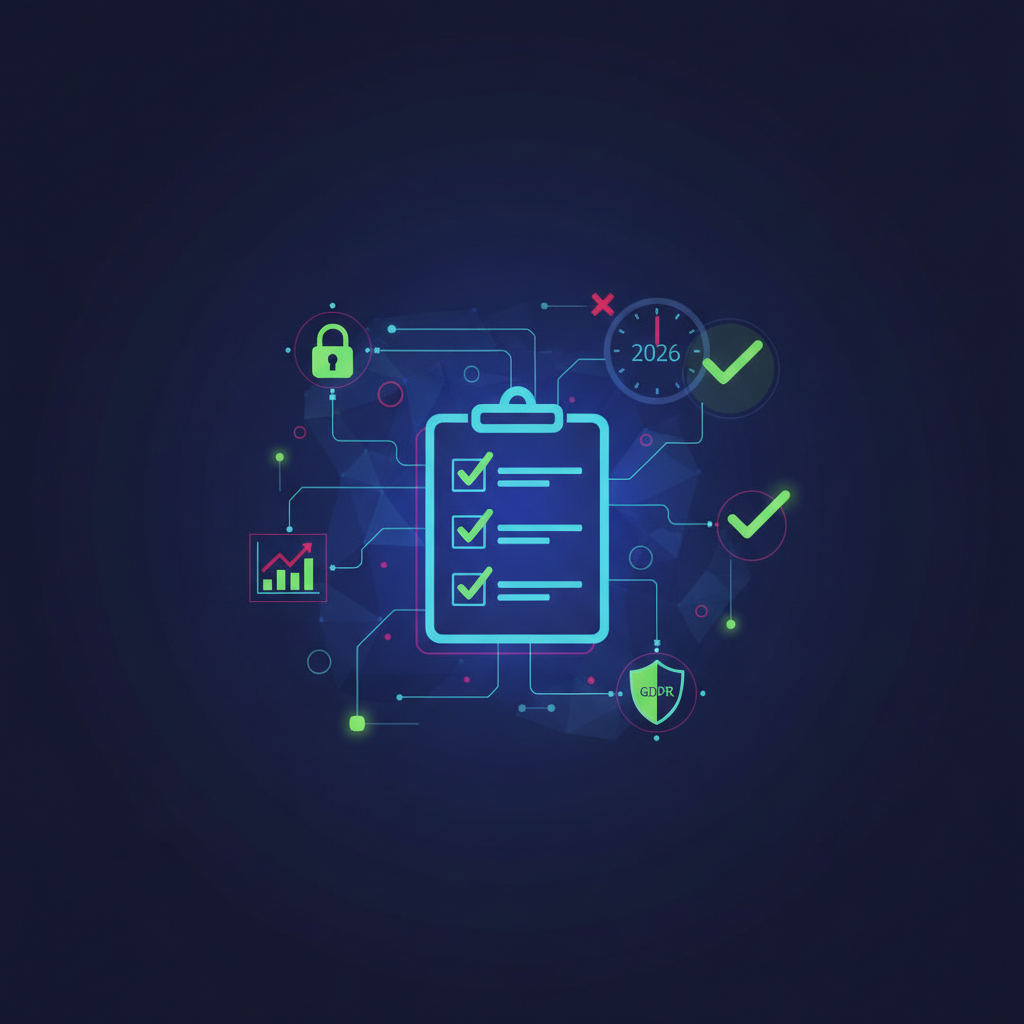
NIS2 Compliance Checklist for 2026: Are You Still at Risk of Penalties After the Deadline?
The NIS2 deadline has passed, but many organizations remain exposed to significant fines and enforcement actions. This practical checklist breaks down every requirement you need to meet in 2026 to achieve full compliance. Discover where the most common gaps are and how to close them before regulators come knocking.
AI-Powered Phishing: How to Recognize and Defend Against the New Generation of Social Engineering Attacks
AI-powered phishing attacks are evolving faster than traditional security tools can keep up with, targeting small and medium businesses with frighteningly convincing fake emails, voice calls, and messages. Cybercriminals now use large language models to craft personalized, error-free lures that bypass standard filters. This guide breaks down how these attacks work and what practical steps your business can take today to stay protected.
Ransomware in 2026: Why Small Businesses Are Now the Biggest Targets
Ransomware attacks in 2026 are no longer aimed at corporate giants — automated bots are now sweeping the internet and hitting any unprotected business, regardless of size. SMBs and startups face average ransom demands exceeding $200,000, plus recovery costs and weeks of downtime that can end a company. Understanding how ransomware works and why no business is too small is the first step to staying protected.
How to Choose a Cybersecurity Provider: 7 Questions You Must Ask Before Signing Anything
Not all cybersecurity providers are created equal, and choosing the wrong one can leave your business dangerously exposed. This practical guide walks you through 7 critical questions to ask any provider before making a decision. Use this checklist to separate true security partners from vendors just selling you a false sense of safety.
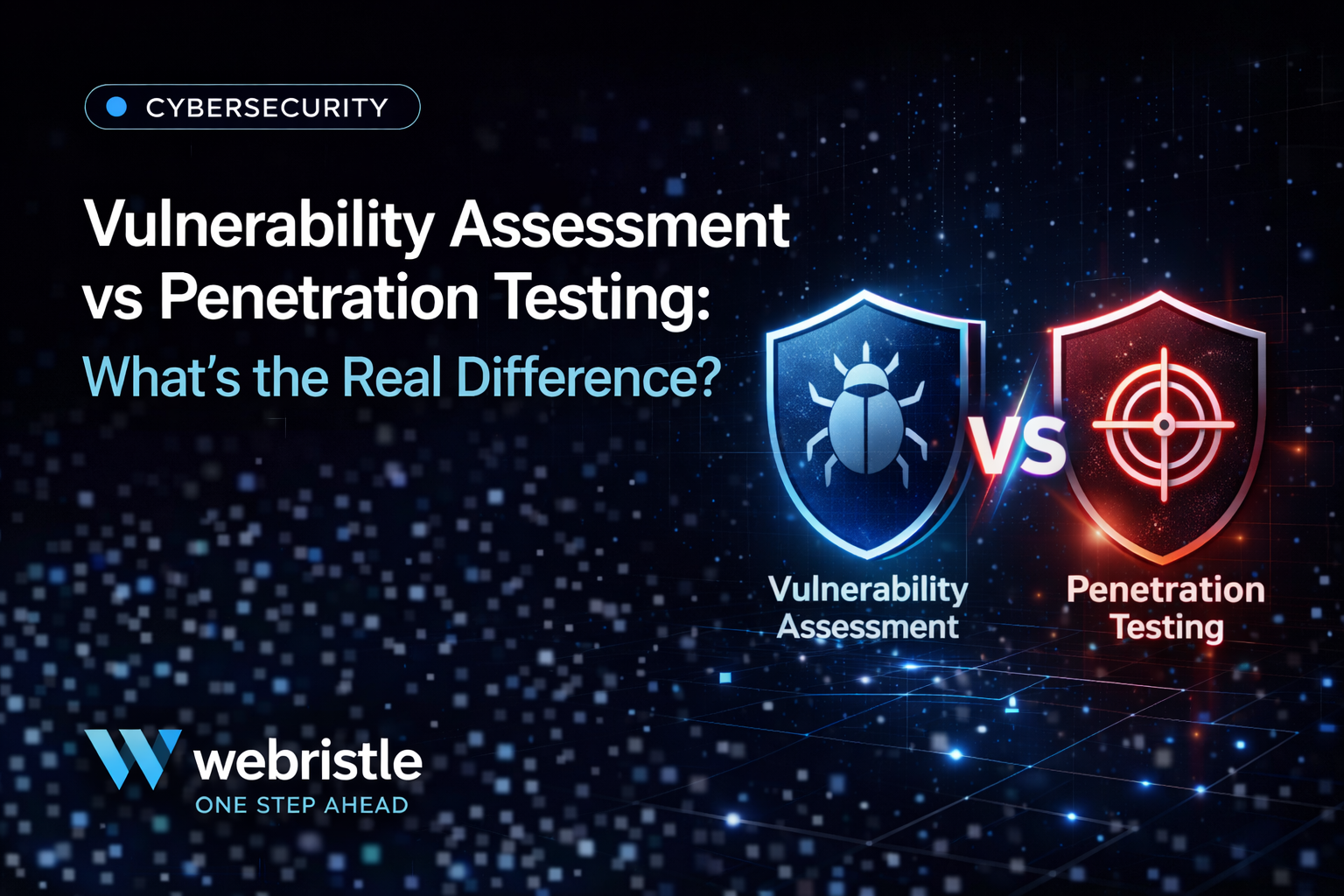
Vulnerability Assessment vs Penetration Testing: What's the Real Difference?
Confused about whether your business needs a vulnerability assessment or a penetration test? This plain-English guide breaks down both services, explains what you actually get, and helps you decide which investment makes sense for your security budget.
NIS2 Directive: Why Small Businesses Can't Afford to Ignore It Anymore
The NIS2 Directive is reshaping cybersecurity obligations across Europe, and small and medium-sized enterprises are firmly in its scope. With strict deadlines and serious penalties for non-compliance, SMBs must act now to assess their exposure and implement the required security measures. This guide breaks down what NIS2 means for your business and the concrete steps you need to take today.
GDPR Article 32: The Complete Guide to Mandatory Customer Data Protection
GDPR Article 32 imposes strict obligations on organizations to implement appropriate technical and organizational measures to secure personal data. Understanding these requirements is essential for any business handling customer information in the EU. This guide breaks down what compliance looks like in practice and how to avoid costly penalties.